Gourmet treasures of the world: Spanish cured hams – Jamon
What does ‘Jamon’ mean and what is its production process?
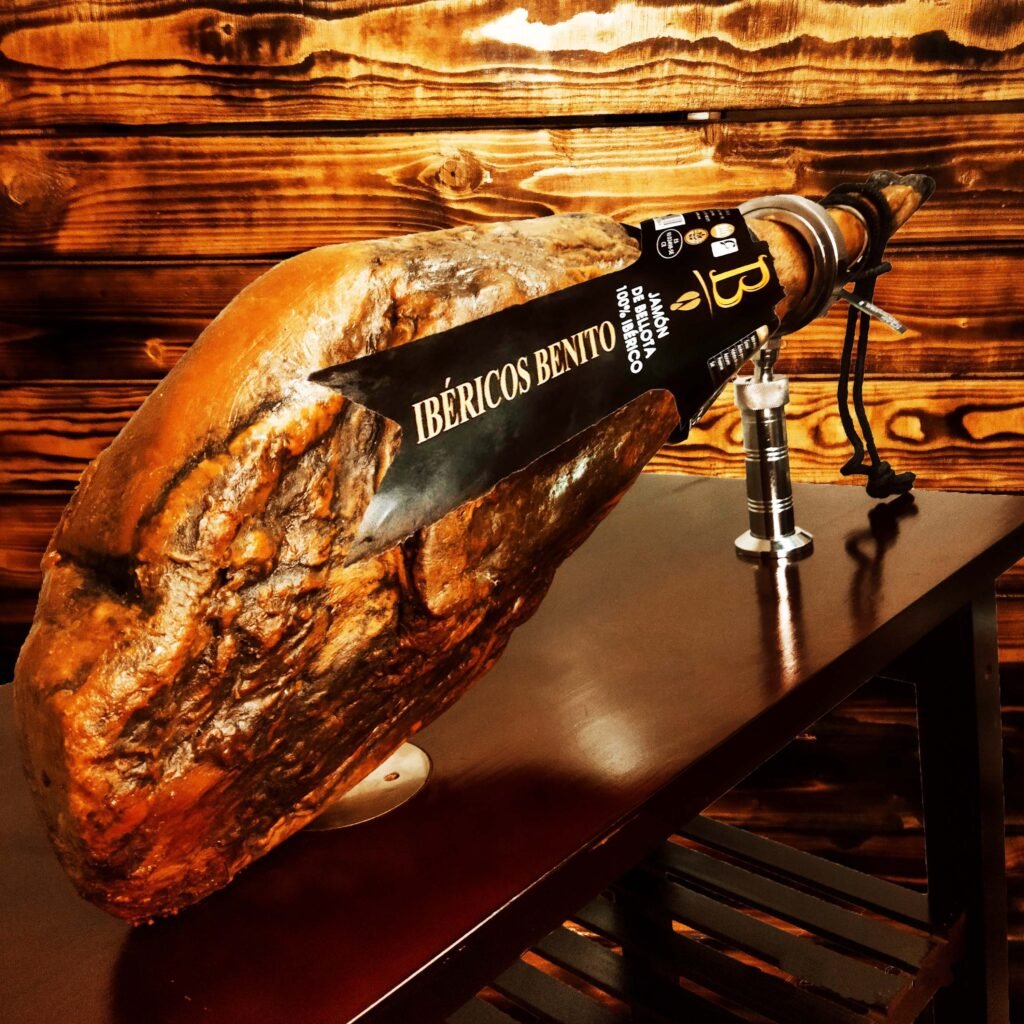
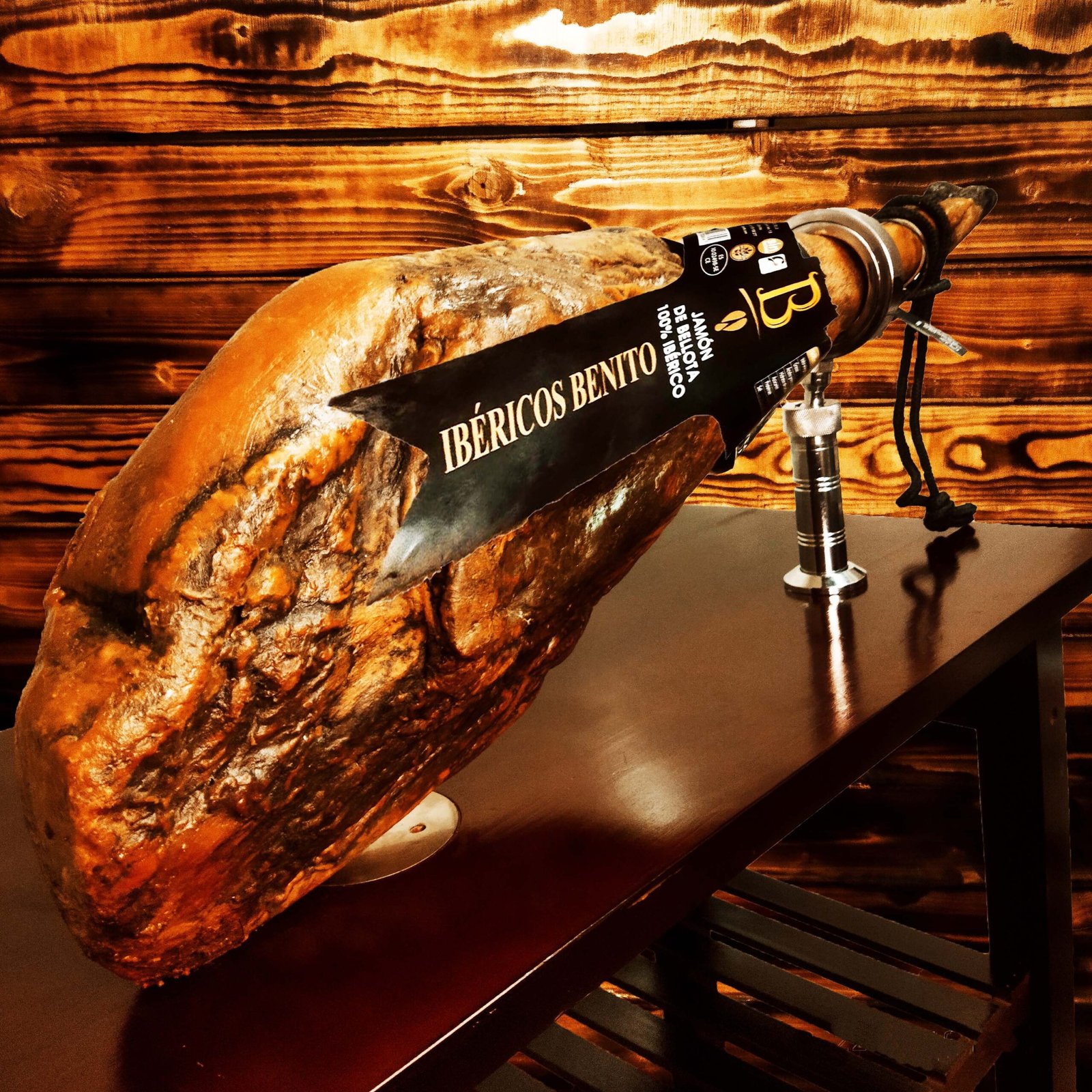
‘Jamon’ is a traditional Spanish ham, considered one of the gems of gastronomy. The term covers two main types: ‘Jamon Iberico’ and ‘Jamon Serrano’. ‘Jamon Iberico’ is made from Iberian pigs, which are often fed on acorns and herbs, giving the meat a unique flavor and richness. This ham is known for its complex aroma, which develops over a long period of curing. ‘Jamon Serrano’ is made from white pig breeds and has a slightly lighter flavor, though still very pleasant and widely loved.
The production process of hams involves several stages, starting with pig breeding and ending with drying and curing. First, the pigs are raised on specialized farms, where optimal nutrition, low stress, and good living conditions are ensured. This phase is crucial, as it directly influences the final taste of the product. Once the pigs reach the desired weight, they are slaughtered, and their legs are turned into hams.
The next stage is salting, which helps preserve the hams’ freshness and adds depth to the flavor. After salting, the hams are stored in a cool, well-ventilated environment where the drying process begins. This stage can last for several years, depending on the type of ham. During curing, the flavor and aroma intensify, and natural fermentation processes create a unique texture. Maintaining these traditional techniques is essential for ensuring the quality and distinctiveness of ‘Jamon’.